Volcanoes are mountains that become bigger with time as they erupt. They are opening to the earth's surface. When pressure built up in magma, an eruption occurs. Volcanoes are very dangerous, the danger area around the volcano is nearly 50 miles. Around 500 million people live near volcanoes. Its eruption can send ash 30 km high in the air. Volcanic gases include CO2, SO2, HCL, H2S, and HF, which are very dangerous gases.
The following are some interesting facts about volcanoes.




10- 80% Origin of Earth's Surface Is Volcanic

The volcanic eruption has formed mountains, islands, sea floors, and many earth structures. The emission of gases from volcanoes forms the Earth's atmosphere.
9- Active Volcanoes

There are almost 1,500 active volcanoes worldwide. Most of them are present in Ring Fire. Active volcanoes are mainly found in Hawaii, Washington, Alaska, and California. Most of the eruption occurs in Alaska and Hawaii.
8- Lava Fragments

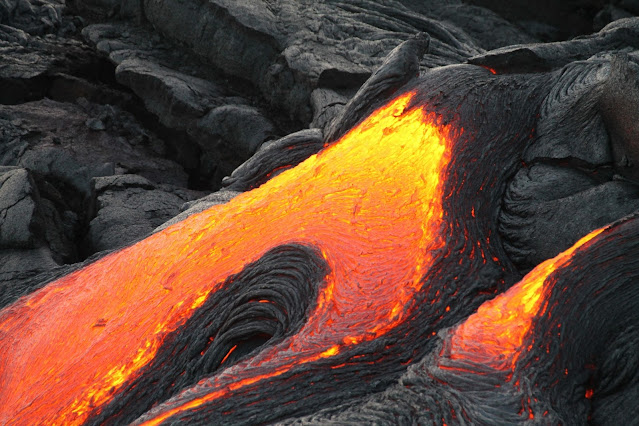
Hot liquid beneath the earth's surface is called magma but when it comes out it is called lava. After the volcanic eruption atmosphere is filled with lava fragments, which is very dangerous. Volcanic ash can be harsh, smelly, and acidic. It can cause lung diseases and respiratory disorders.
7- The Ring Of Fire

It is a path along the pacific ocean that is characterized by active volcanoes. The majority of eruptions take place along the ring of fire. It has 452 volcanoes.
6- Volcanoes Can be Active, Dormant, or Extinct

An active volcano has had at least one eruption during the past 10 thousand years. A dormant volcano is an active volcano that is not erupting but can erupt in the following year. Extinct volcanoes are those that can never erupt because they have no magma supply.
5- Submarine Volcanoes

According to a study, there are more than a million submarine volcanoes. They are very different from the volcanoes at sea level. High pressure in water can cause it to erupt. One of the most famous underwater eruptions is the Surtsey eruption. It exploded in 1963, and become an island.
4- The Sound of Volcanic Eruption

The sound of a volcanic eruption can be loud, quiet, or booming. Its sound can travel hundreds of miles. The loudest sound ever recorded was of a volcano, Krakatoa in 1883. Its sound traveled the world five times. It can cause damage sometimes like loss of hearing and breaking of glass.
3- Erupting Volcanoes can Lead to more Disasters

A volcanic eruption can cause many more disasters such as tsunamis, earthquakes, landslides, floods, acid rain, rock falls, etc. Most earthquakes and tsunamis caused due to the movement of magma. Every time a rock cracks, an earthquake occurs.
2- The Most Deadly Eruption

The most deadly eruption occurred in 1815 in Indonesia. Mount Tambora was the name of the volcano. More than 10,000 people died immediately after its eruption. It has last erupted in 1967.
1- The Giant Volcano on Mars

The biggest volcano in our solar system is not present on Earth, it is actually present on Mars. Its name is Olympus Mons. Its size is about two and a half times of Mount Everest. The last eruption occurred in Olympus Mons 25 million years ago.
Comments
Post a Comment